
What a Complete Energy Storage Ecosystem Should Include
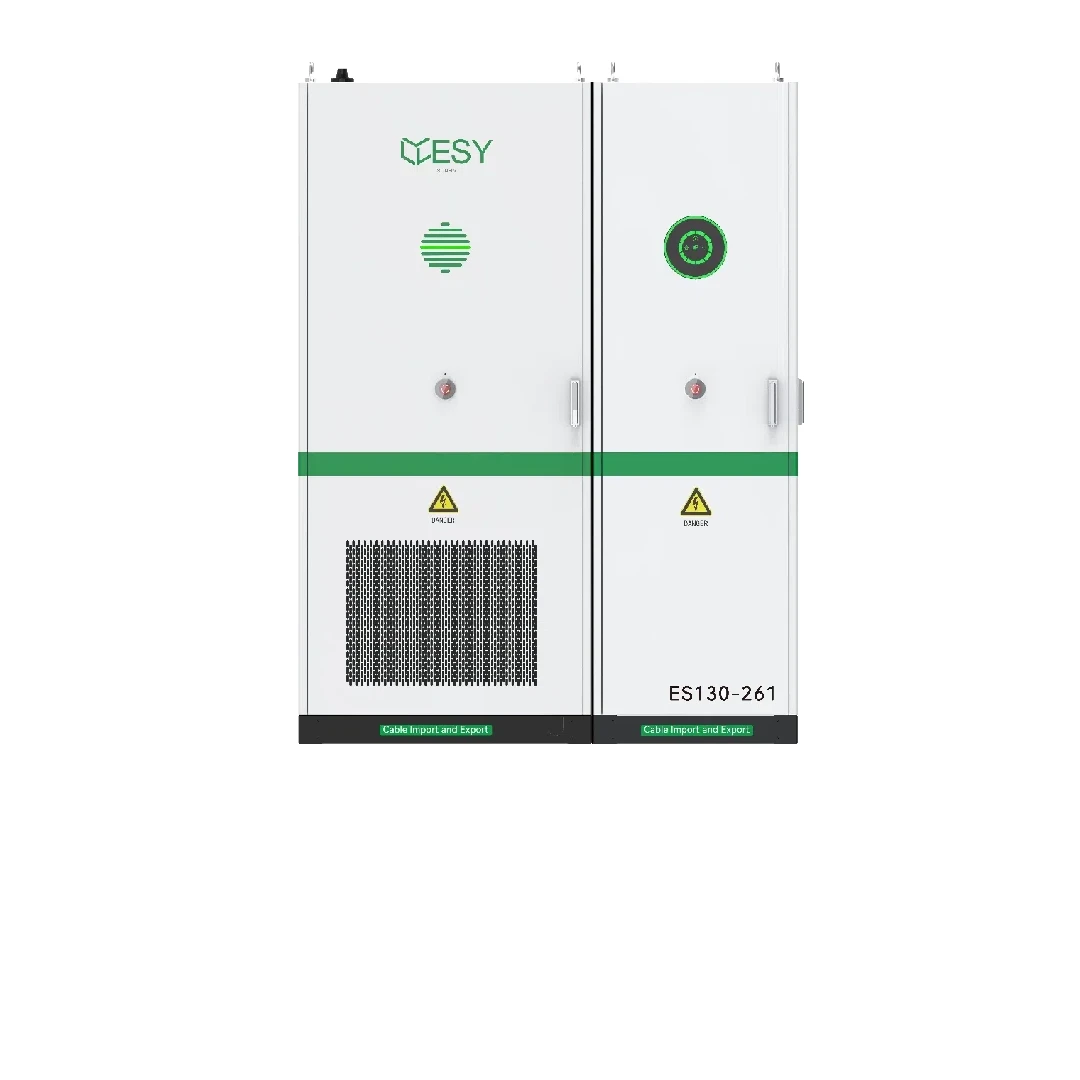
A complete energy storage ecosystem should include battery cells, battery management systems, power conversion systems, energy management platforms, safety technologies, grid integration solutions, financing models, and recycling networks. By 2030, global stationary battery storage capacity is expected to grow from more than 100 GWh in 2024 to several hundred GWh, supported by renewable energy expansion. A full ecosystem connects electricity generation, storage, distribution, and consumption through coordinated hardware and software.
Energy storage has developed from simple battery containers into integrated energy infrastructure. In 2024, lithium-ion batteries represented more than 90% of newly installed stationary storage systems, mainly using lithium iron phosphate (LFP) chemistry because of its long cycle life, thermal stability, and lower material cost. A modern storage project requires cooperation between battery suppliers, inverter manufacturers, software developers, grid operators, and service providers.
A complete storage system is not only a battery installation. It combines energy storage hardware, intelligent control, safety management, and lifecycle services.
The first part of an energy storage ecosystem is battery production. Battery cells determine the available capacity, charging speed, operating life, and system cost. Large-scale storage projects commonly use thousands or even hundreds of thousands of individual cells. For example, a 100 MWh battery system using 280 Ah LFP cells may require more than 100,000 cells connected through modules and packs.
Battery manufacturing includes electrode preparation, cell assembly, formation testing, module integration, and final system installation. Since 2020, LFP technology has expanded rapidly in stationary storage markets because it can provide more than 5,000 charge-discharge cycles under suitable operating conditions. Many utility-scale systems are designed for 10–20 years of operation.
The battery layer connects with the next part of the ecosystem: monitoring and control. Battery management systems (BMS) collect information from individual cells and adjust operating conditions. A BMS usually measures voltage, current, temperature, state of charge, and state of health.
| System Part | Main Function | Common Technology |
|---|---|---|
| Battery Cell | Store electrical energy | LFP, NMC, sodium-ion |
| Battery Module | Combine cells safely | Thermal control, protection circuits |
| BMS | Monitor battery condition | Sensors, software algorithms |
| PCS | Convert DC and AC power | Bidirectional inverter |
| EMS | Manage system operation | Cloud platforms, AI prediction |
The BMS information is used by the energy management system (EMS), which controls how and when electricity is stored or released. This connection allows storage systems to respond to electricity prices, renewable output, and grid requirements.
For example, a solar-plus-storage project can charge batteries during midday when solar production is high and release electricity during evening demand periods. In some commercial applications, this approach can reduce peak electricity costs by 10%–30%, depending on local electricity pricing structures.
The power conversion system (PCS) provides the connection between batteries and electrical networks. Batteries store energy as direct current, while buildings and grids usually operate with alternating current. The PCS converts energy between the two forms and controls charging and discharging power.
Modern PCS equipment supports bidirectional operation, allowing batteries to both absorb electricity and provide electricity. Utility-scale PCS units often operate at hundreds of kilowatts to several megawatts. Efficiency levels above 95% are common for high-quality systems, reducing energy losses during conversion.
The performance of PCS technology also affects grid services. Storage systems can provide frequency regulation, voltage support, backup power, and renewable energy balancing. In markets such as California, Australia, and Germany, battery storage projects have already become part of electricity network management.
Storage systems are increasingly designed as flexible power assets rather than simple backup batteries.
The software layer has become more important as storage deployment expands. An energy management platform combines battery data, weather information, electricity prices, and power demand forecasts. These systems can automatically adjust charging schedules to improve system performance.
Artificial intelligence is being applied to improve battery operation. Machine learning models can analyze historical operating data and estimate battery aging patterns. A large storage facility may generate millions of operational data points every day, creating opportunities for predictive maintenance and improved scheduling.
For residential and commercial users, integrated platforms allow homeowners and businesses to monitor energy production and consumption. Systems such as those provided by https://www.esysunhome.com/ combine energy storage equipment with intelligent monitoring solutions, helping users manage solar generation, battery charging, and household electricity usage.
Safety management is another required part of a complete ecosystem. Lithium-ion batteries need protection against overheating, electrical faults, and abnormal operating conditions. Storage facilities usually include temperature sensors, smoke detection, ventilation systems, and fire suppression equipment.
International standards such as UL 9540, UL 9540A, and IEC 62933 define testing requirements for energy storage safety. Since 2019, large-scale storage projects have increasingly adopted multi-level protection systems that combine hardware monitoring and software alerts.
Safety technology is connected with long-term operation because battery systems must maintain stable performance over many years. Battery degradation depends on temperature, charging speed, and depth of discharge. Maintaining operating temperatures around 20–35°C can help reduce aging compared with uncontrolled environments.
The ecosystem also includes grid integration services. Renewable energy sources such as solar and wind have variable output, making storage useful for balancing electricity supply. According to the International Energy Agency, renewable electricity capacity additions reached more than 500 GW globally in 2023, increasing demand for flexible storage resources.
Energy storage can support electricity systems through several functions:
-
Frequency regulation for grid stability.
-
Peak demand management.
-
Renewable energy smoothing.
-
Emergency backup power.
-
Microgrid operation.
Long-duration storage is becoming an additional development direction. While many lithium-ion projects provide 1–4 hours of storage, some applications require 8–12 hours or longer. Technologies being developed include flow batteries, sodium-ion batteries, thermal storage, and other electrochemical systems.
A complete ecosystem also requires financial and service models. Storage projects involve equipment costs, installation costs, maintenance expenses, and software services. Project developers often combine electricity market participation, renewable integration services, and long-term contracts to support investment.
Energy-as-a-service models are growing because users can access storage functions without purchasing the entire system. Commercial buildings, factories, and renewable energy operators can use storage through service agreements that include installation, operation, and maintenance.
| Business Layer | Purpose |
|---|---|
| Equipment Provider | Supply batteries and hardware |
| System Integrator | Combine different technologies |
| Software Provider | Optimize operation |
| Service Company | Maintenance and monitoring |
| Recycling Partner | Recover materials |
Battery recycling completes the lifecycle of the ecosystem. Lithium-ion batteries contain materials such as lithium, nickel, cobalt, copper, and aluminum. Recycling technologies developed after 2015 have improved recovery rates for several valuable materials.
The European Union Battery Regulation introduced in 2023 requires stronger battery tracking, recycling targets, and lifecycle information management. Future storage systems are expected to include digital battery records that document production, operation, and recycling status.
A mature energy storage ecosystem connects manufacturing, installation, operation, and recycling into one continuous system. Battery cells provide storage capacity, BMS and EMS manage performance, PCS connects electricity flows, safety systems protect equipment, and recycling reduces material demand.
By 2030, energy storage systems will increasingly operate as integrated energy platforms supporting renewable power, electricity networks, and end users. The development of complete ecosystems will determine how efficiently stored energy can be produced, managed, reused, and expanded worldwide.
See the runtime on your own stack.
30 minutes with a solutions engineer. No deck — a working walkthrough.